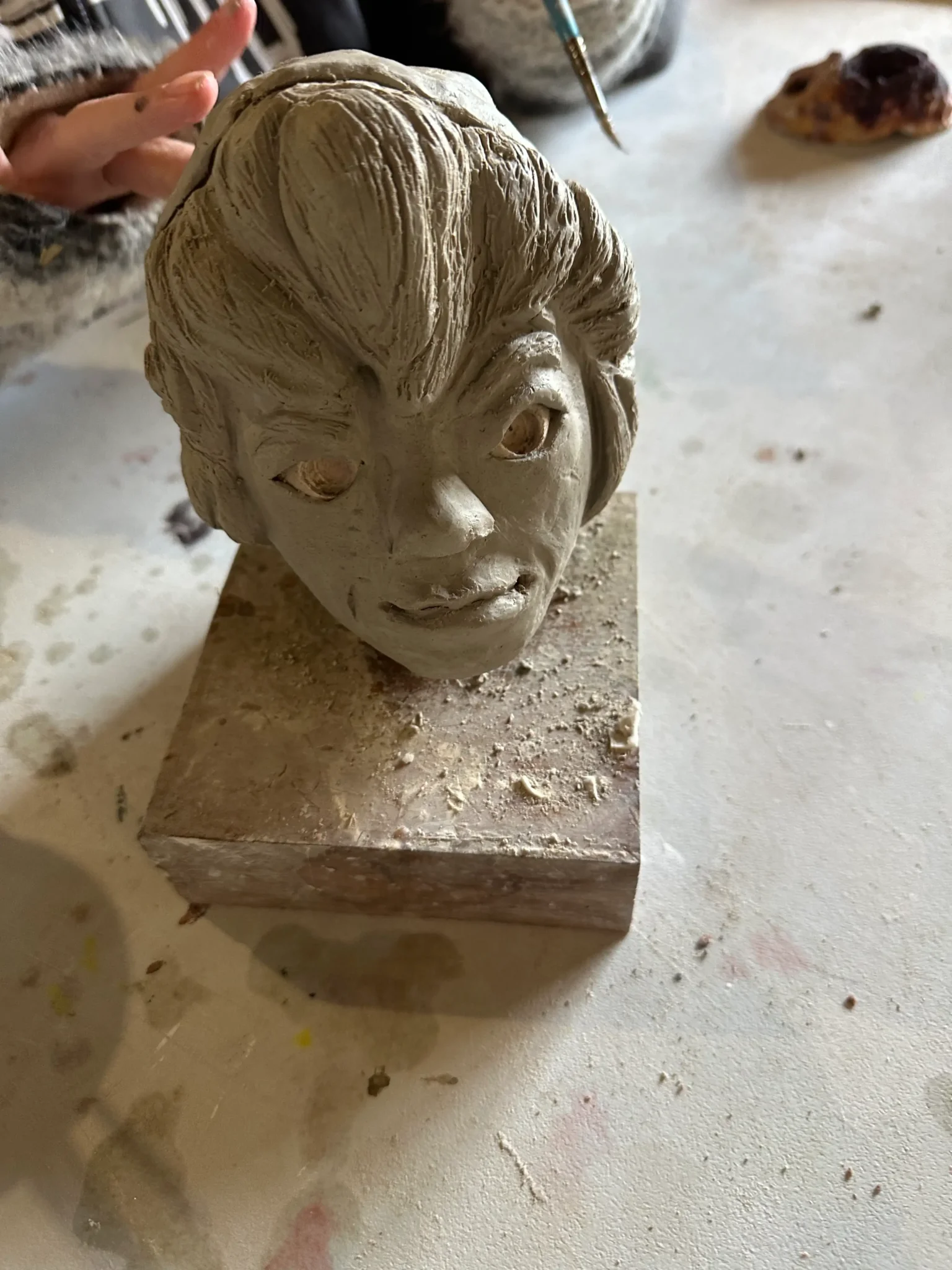
head sculpture made of clay

School Refusal and Burnout Support for Children in Cornwall

Many young people who stop attending school are not refusing education — they are struggling within environments that no longer feel safe, manageable or supportive. If your child is finding school increasingly difficult, you are not alone and there is support available.

Burnout can look different for every child

Neurodivergent burnout

For autistic, ADHD or otherwise neurodivergent young people, burnout often follows years of masking and overadapting to environments not designed for them.

When capacity runs out, recovery takes time, patience and a genuinely different approach.

Anxiety-led withdrawal

Some children develop such significant anxiety around school that attendance becomes physically and emotionally impossible.

This is not a choice — it is a stress response that requires compassionate, careful support rather than pressure to return.

Gradual withdrawal

For some young people burnout builds slowly and quietly. Attendance drops bit by bit, engagement fades and eventually school feels entirely out of reach. Early recognition of this pattern can make a significant difference to how quickly a child recovers.

For Professionals Be Creative
WHAT IS SCHOOL BURNOUT?

When school becomes too much to carry

School burnout happens when a young person becomes emotionally, mentally and sometimes physically exhausted by the demands of school. What can look like refusal is often a child who has simply reached their limit.

At Be Creative, we move away from the language of refusal toward a recognition of what is really happening — a young person who needs a different environment, a different pace and a different kind of understanding to begin finding their way back.

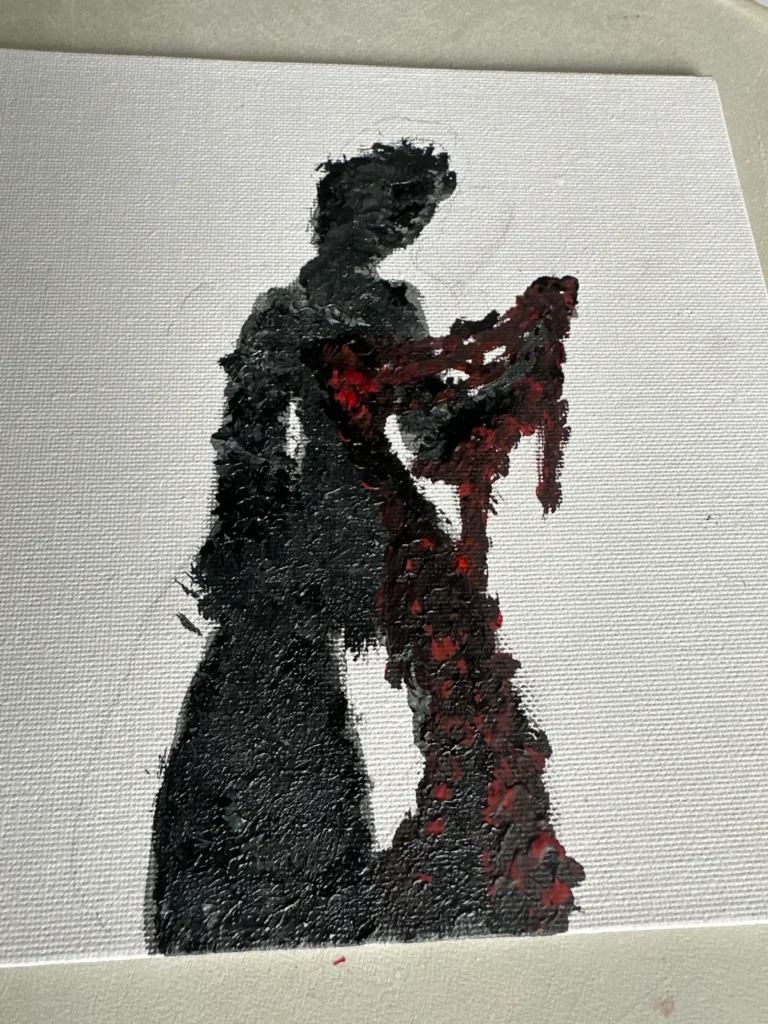
art piece in black and white of abstract human
Recognition

Is your child experiencing burnout?

School burnout creeps in quietly. It starts with dread on Sunday nights, grows into physical illness, and ends with a young person unable to walk through the classroom door.

How Be Creative can help

At Be Creative we provide a calmer, more flexible space where young people can begin to reconnect with learning at their own pace. With small group sizes and high staff support, we focus on helping each child feel safe, understood and ready to re-engage

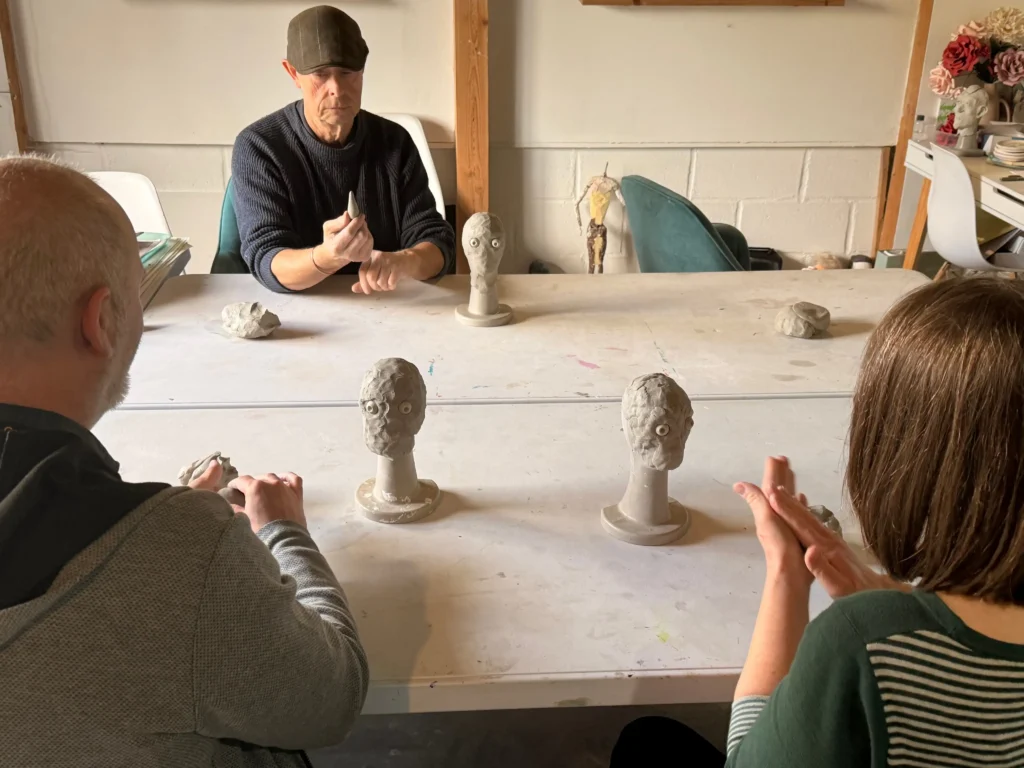
Creativity sits at the heart of what we do — through art, sculpture, music, digital media and hands-on making, students reconnect with their strengths and begin to rebuild confidence in their own abilities.

Considering alternative provision can feel like a big step, but needing a different approach is not a failure. We’re always happy to have an informal conversation and talk things through.


Signs to look out for

  • Increasing anxiety around school days
  • Difficulty getting ready or leaving the house
  • Emotional outbursts or shutdowns linked to school
  • Extreme exhaustion after school or at the end of the week
  • Physical symptoms such as headaches or stomach aches
  • Withdrawal from activities they previously enjoyed
  • Loss of confidence or negative beliefs about their ability
  • Masking at school but emotional release at home

These signs often develop gradually — recognising them early can make a real difference.

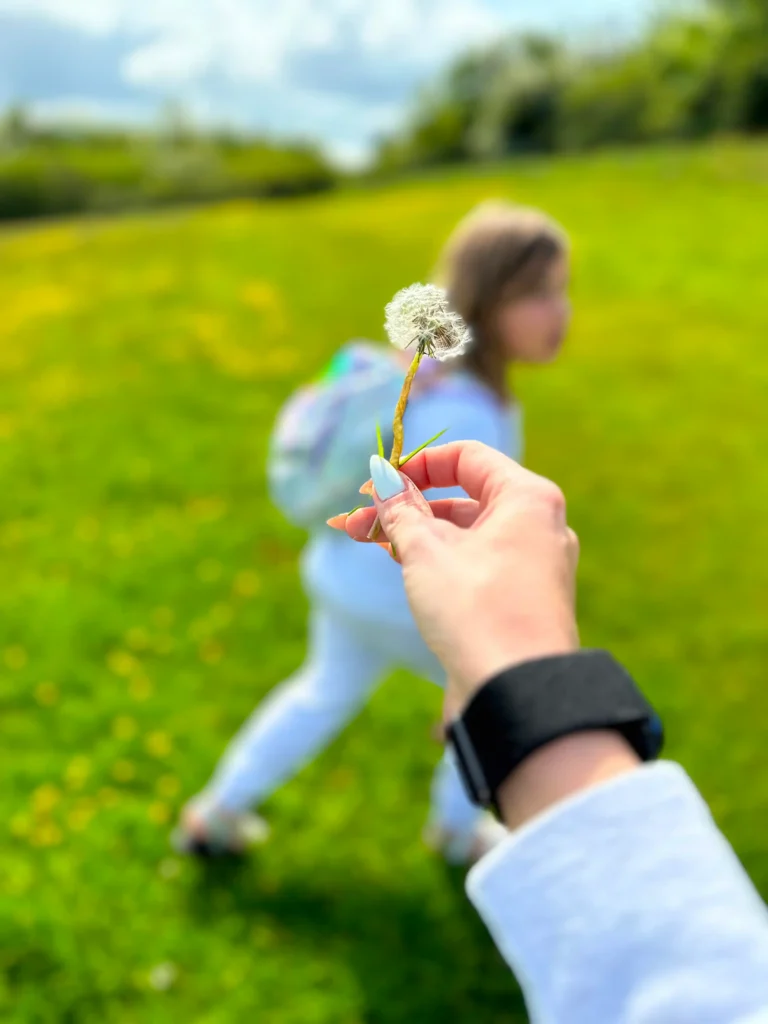
Hand Holding Flower Becreative
our support

Gentle support for vibrant minds

Brain Icon

Sensory-lead creative sessions

Hands-on exploration using natural materials to ground and calm the nervous system.

Forest

Nature-based learning

Using the woodlands as a classroom for organic, curiosity-led discovery.

Family Restroom

Family advocacy

Compassionate guidance for parents navigating the education system and seeking the best for their child.

Blurred leaf in a calming scenario

You don't have to navigate this alone

Whether you are at the beginning of your diagnosis journey or looking for a more creative approach to support, we are here to walk with you.