
There is a unique expression I’ve mastered over the years when someone confidently announces, “They can’t have PDA they do what they’re told sometimes.” It’s part laugh, part cry, part internal screaming. Because PDA is misunderstood on a spectacular level.
PDA isn’t a child being “defiant” or “controlling.” It’s a nervous system experiencing threat in response to everyday demands. Even nice ones. Even ones the child wants to do. A child with PDA can desperately want to put their shoes on, and their brain will still slam the panic button like a contestant on a game show.
From the outside, PDA looks like refusal.
Inside, it feels like drowning.
Many of the young people I’ve supported and many parents I work with through The SEND Compass say the same thing: their child isn’t trying to say no. They’re trying to protect themselves from a world that feels too intense, too demanding, too pressured.
Table of Contents
The Physical Toll on a Child with PDA
PDA activates the fight-or-flight system constantly. It’s not just emotional; it’s physical. Children often experience a racing heart, jelly-like limbs, shortness of breath, stomach aches, headaches, trembling, or a sudden heaviness in the body that makes even simple tasks feel impossible. Some describe it as feeling trapped. Others describe it as panic in their skin. Some shut down completely and appear blank or frozen. These are not behavioural choices these are trauma responses to perceived threat.
The Emotional Toll
Emotionally, children with PDA often feel ashamed, guilty, and confused about their own reactions. They genuinely want to cooperate but cannot. Imagine wanting to hug someone but your arms won’t move, or wanting to speak but your voice won’t come out. That internal conflict destroys self-esteem. These children often feel misunderstood, “too much,” or constantly on edge. And the more misunderstood they feel, the more their nervous system reacts and the cycle continues.
The Parent Toll (…where do we begin?)
PDA parenting is not for the faint-hearted. It involves patience you didn’t know you possessed and flexibility that would make a yoga instructor cry. Parents often feel judged, blamed, or accused of being too soft, too firm, too inconsistent, or too accommodating usually by people who’ve never tried to get a PDA child to brush their teeth on a Tuesday.
There’s emotional whiplash, self-doubt, and the constant fear of triggering a shut-down or meltdown. And yet, these parents are some of the bravest, most intuitive people I’ve ever met. They learn to trust their child’s nervous system rather than fight it.
Signs a Child Might Be Struggling (Even If They “Look Fine”)
A PDA child may:
- Freeze or go silent when asked to do something
- Agree but then immediately panic
- Suddenly feel sick, tired, or weak
- Become tearful over tiny changes
- Look blank or spaced out
- Use humour, distraction, or negotiation to cope
- Avoid eye contact or leave the room entirely
- Lash out verbally or physically when overwhelmed
- Appear fine in one setting and collapse in another
- Become unusually controlling of routines, play, or other people
None of these are “naughty.” They’re protective strategies.
A Few PDA-Friendly Support Strategies
Lower the pressure. Phrase things as invitations rather than demands. “Shall we try this together?” or “Let me know when you’re ready.”
Use humour. PDA children often respond beautifully to playful connection. “Can you beat me to the door?” works far better than “Shoes on, please.”
Collaborate, don’t command. Offer genuine choices rather than disguised demands. “Do you want the blue toothbrush or the green one?” instead of “Brush your teeth now.”
Share control. Let them have input on routines, plans, and transitions. A sense of autonomy is the secret sauce.
Regulate first, talk later. A dysregulated child cannot reason their way out of overwhelm. Co-regulation comes before instruction.
Remove shame. Let your child know you understand their struggle is fear-based, not defiance-based.
And finally remember it’s not your fault. You’re parenting a nervous system, not a behaviour chart.
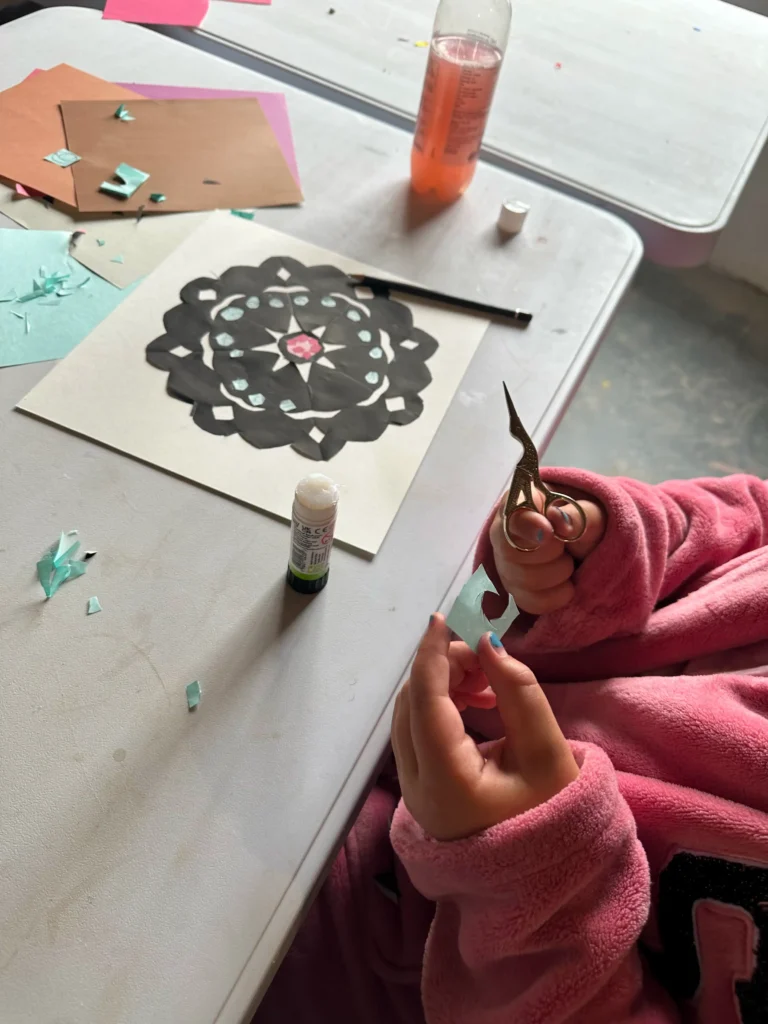
At Be Creative Cornwall, I’ve seen PDA children come alive when the pressure disappears. Put clay in their hands, give them freedom, and something shifts. The child who “won’t do anything” suddenly spends an hour creating the world’s most dramatic dragon or zombie unicorn. Safety opens the door; creativity lets them walk through it.
If no one has told you lately:
You’re doing an incredible job. PDA parenting is hard but your connection with your child matters more than any completed task.