There’s something almost magical about watching a child melt into a sigh of relief the moment you hand them clay, paint, or even a pile of scrap cardboard that looks like recycling to everyone else. Creativity has this uncanny ability to reach places inside us that words simply cannot.
I learned this myself as a child. I spent a huge part of my childhood in Great Ormond Street Hospital because of EDS. I didn’t have the vocabulary for loneliness or fear or the confusion of being “different.” So I poured it into drawings instead slightly odd creatures with big eyes and questionable proportions. Therapists today would probably frame them as “expressive.” My mum called them “concerning.” I called them “art.”
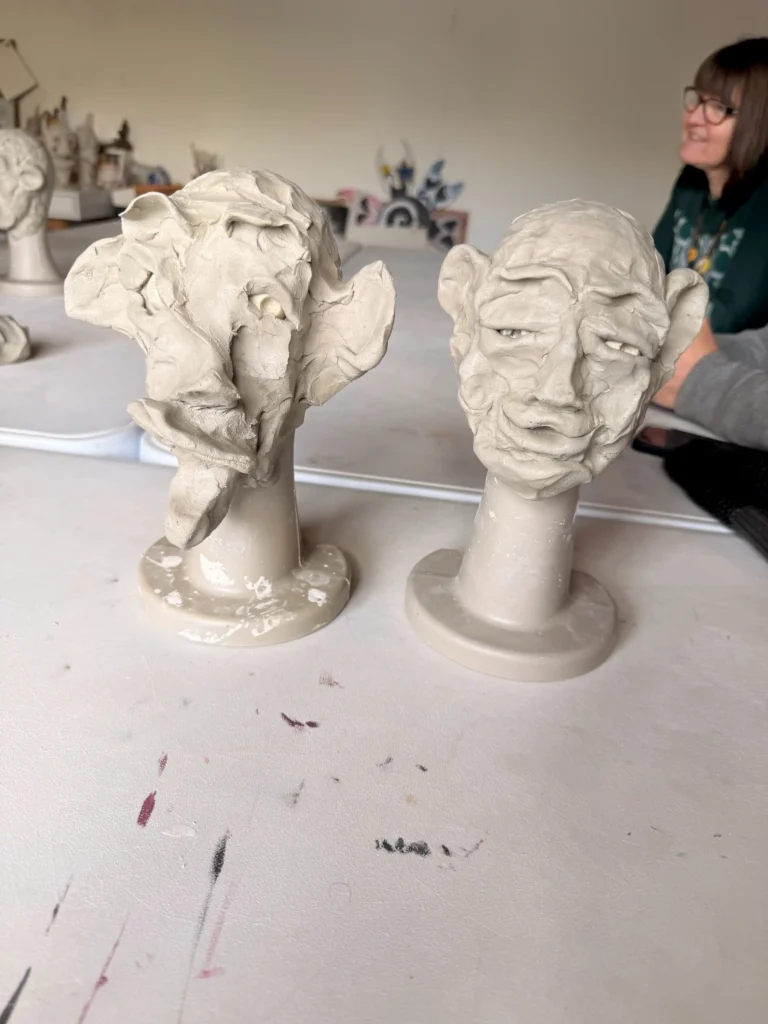
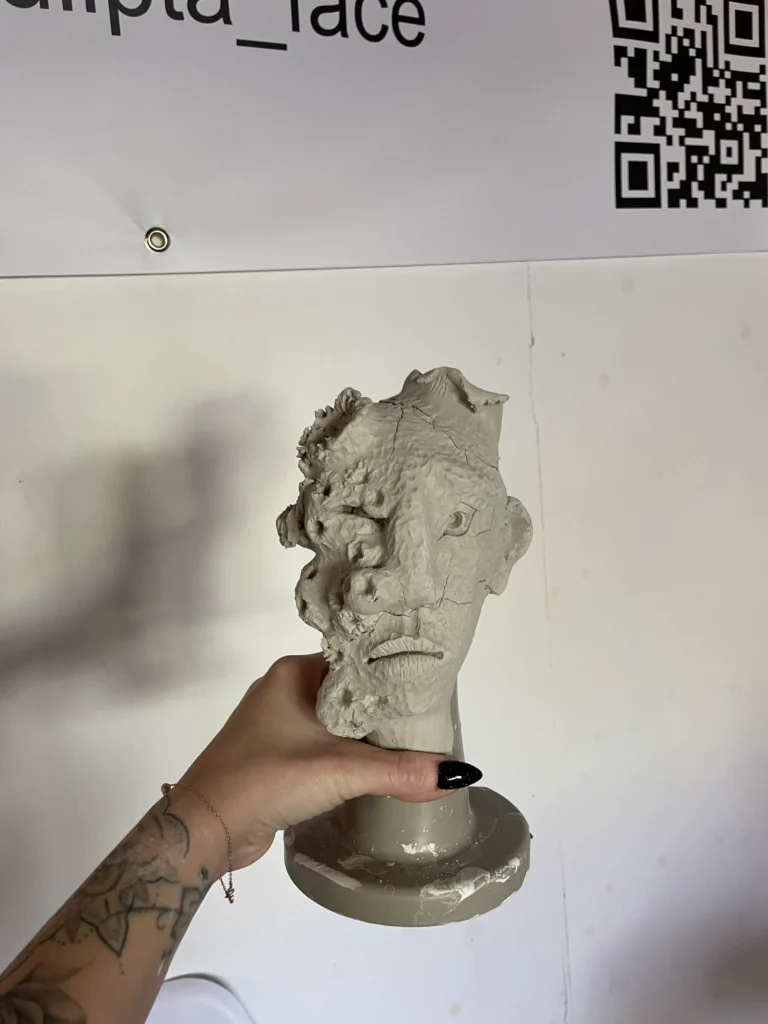
And even now, all these years later, I see that same transformation in my students at Be Creative Cornwall. Children who arrive tense, exhausted, or shut down begin to soften the moment they start creating. The anxious child who hasn’t spoken all week will start humming. The shut-down teen suddenly pours life into a clay creature. The child with PDA who panicked at every request earlier becomes totally absorbed in sculpting the world’s most dramatic dragon toenail.
It looks like magic.
It feels like magic.
But here’s the best part: it’s not magic it’s biology.
Table of Contents
What Actually Happens Inside the Brain When We Create
When we engage in art or any form of creativity, the brain does something incredible. It switches away from pure thinking mode and drops into sensory, emotional, and motor networks. Regions like the visual cortex, motor cortex, and somatosensory areas start sparking into life the parts of the brain tied to touch, movement, texture, sight and spatial awareness.
At the same time, the medial prefrontal cortex (mPFC) a major hub for emotional regulation and self-reflection lights up while the amygdala (your emotional alarm system) becomes calmer. Art literally helps the brain process emotion without words.
Some studies even show a decrease in stress hormones while children (and adults) are creating. Others show improved mood, reduced anxiety, and an increase in positive emotional states. There’s also evidence that creative play supports neuroplasticity the brain’s ability to rewire itself, build resilience, and heal from stress or trauma.
In simple terms:
Creativity helps the body shift out of fight-or-flight and into “safe mode.”
It helps the brain and nervous system regulate, reset, and breathe.
Why This Matters So Much for Neurodivergent, Sensitive, or Burnt-Out Kids
Many children spend all day performing. Masking. Navigating noise, lights, friendships, expectations, transitions, changes, and sensory unpredictability all while being told they’re “fine” because they’re quiet or compliant.
They come home like wrung-out cloth.
For these kids, creativity isn’t “just a fun hobby.”
It’s nervous system first aid.
When a child creates, they get:
- control without pressure
- expression without judgement
- sensory grounding without overload
- emotional release without words
For some children, this is the only time in their entire week when their nervous system truly relaxes.
It’s why, in our sessions, you’ll see a child’s shoulders drop. Their breathing slow. Their face soften. It’s the moment their body finally stops scanning the environment for danger.
Even a tiny bit of creative freedom clay, paint, doodling, tearing paper, building, shaping can shift a child out of survival mode.
Why It Matters for Parents Too
Parents often forget they have nervous systems. We operate on fumes until the fumes run out. But creativity isn’t just healing for children it unclenches something inside the adult body too.
Sometimes when a parent sits with their child and joins in rolling clay between their palms, smudging pastel colours, scribbling nonsense their shoulders drop too.
You don’t realise how held your breath is until something lets it go.
This is a big part of why I created The SEND Compass: parents need support, grounding, clarity, and calm just as much as their children do. Not airy-fairy “self-care,” but actual tools that help regulate the nervous system and make life feel less like a series of battles.
Creativity Isn’t a Luxury It’s Medicine
Whether your child is autistic, ADHD, anxious, PDA, traumatised, stressed, or simply overwhelmed by school-life pressures, creativity gives them a pathway back to themselves. It builds confidence, expression, emotional safety, and internal peace.
And if all else fails, aggressively kneading a lump of clay is still one of the cheapest forms of therapy available.