Dyslexia, Dyspraxia, Dyscalculia and Dysgraphia Support in Cornwall
Every child learns differently. At Be Creative we support young people with a range of learning differences and SEND profiles, creating space for them to thrive in their own way.

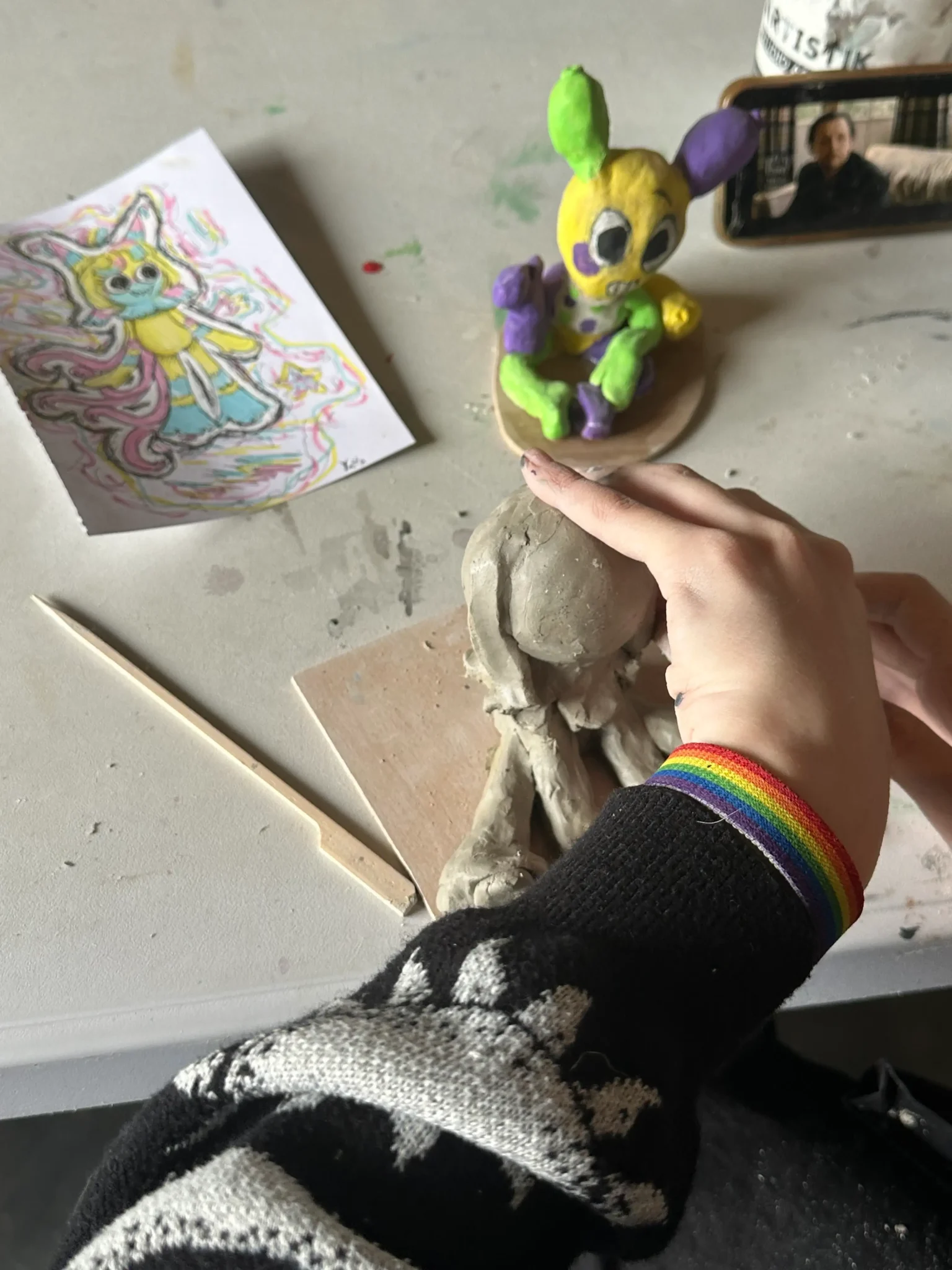
Every child learns differently. At Be Creative we support young people with a range of learning differences and SEND profiles, creating space for them to thrive in their own way.
If your child has been diagnosed with a learning difference — or you’re starting to wonder if something isn’t quite right — you’re not alone.
Dyslexia, dyspraxia, dyscalculia and dysgraphia are all specific learning differences that affect how children process information. None of them reflect your child’s intelligence or potential. With the right understanding and support, children with these profiles can truly flourish.
Dyslexia is a specific learning difference that affects reading, spelling and how the brain processes written language. It has nothing to do with intelligence — many children with dyslexia are highly creative, imaginative and gifted problem solvers. Around 1 in 10 people are dyslexic, and with the right support, dyslexic learners can thrive.
Many dyslexic children underperform academically despite being very capable, simply because the education system relies so heavily on written language. You may notice slow reading speed, difficulty copying from the board, or a child who tires quickly from written tasks.
Schools can help through structured literacy interventions, assistive technology and extra time — and at Be Creative, we offer a creative, pressure-free environment where dyslexic learners can thrive beyond the written word.
Every child is different — some children mask their difficulties very well, which can delay recognition.
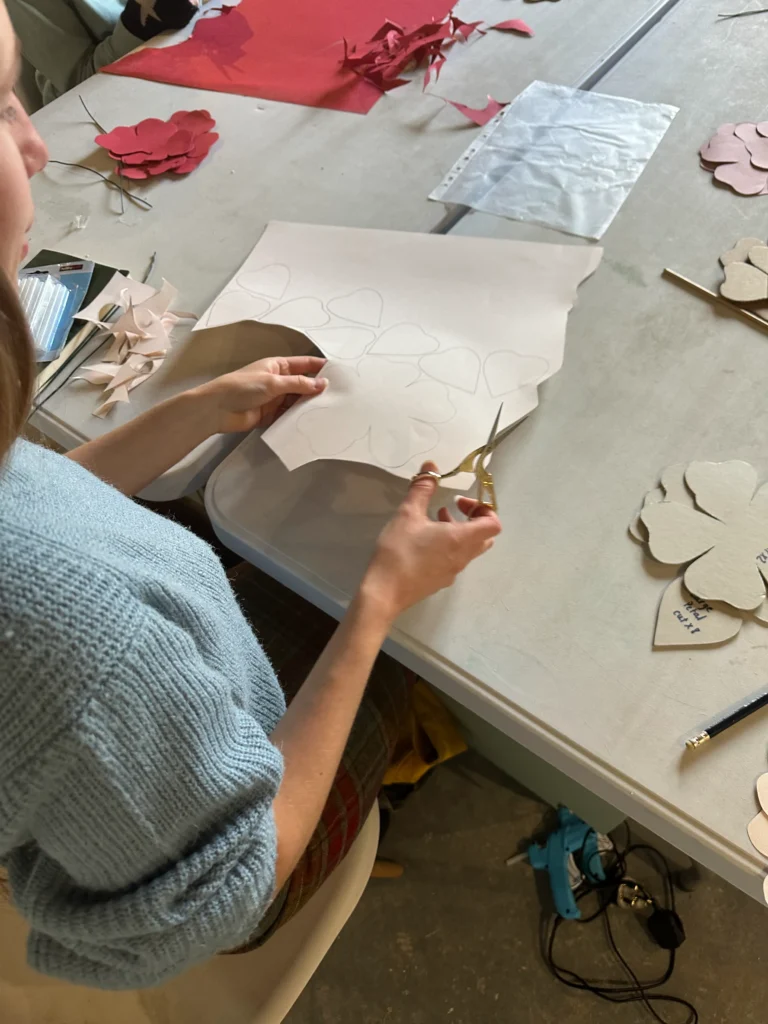
Dyspraxia — also known as Developmental Coordination Disorder (DCD) — affects how the brain plans and coordinates movement. Children with dyspraxia understand what they want to do, but the brain’s ability to plan and carry out physical tasks doesn’t always follow. It affects around 5–6% of children and is lifelong, but with the right strategies, children can manage challenges confidently.
Dyspraxia can impact handwriting, PE, organisation and the ability to complete tasks within time limits — and these challenges can knock a child’s confidence when their difficulties go unrecognised.
Schools can support through occupational therapy, movement breaks and SEN plans, while Be Creative provides hands-on, nature-based sessions that take the pressure off sitting still and give children the space to engage and build confidence in their own way.
Children with dyspraxia often work much harder than their peers just to get through an ordinary day.


Hands-on exploration using natural materials to ground and calm the nervous system.

Using the woodlands as a classroom for organic, curiosity-led discovery.

Compassionate guidance for parents navigating the education system and seeking the best for their child.
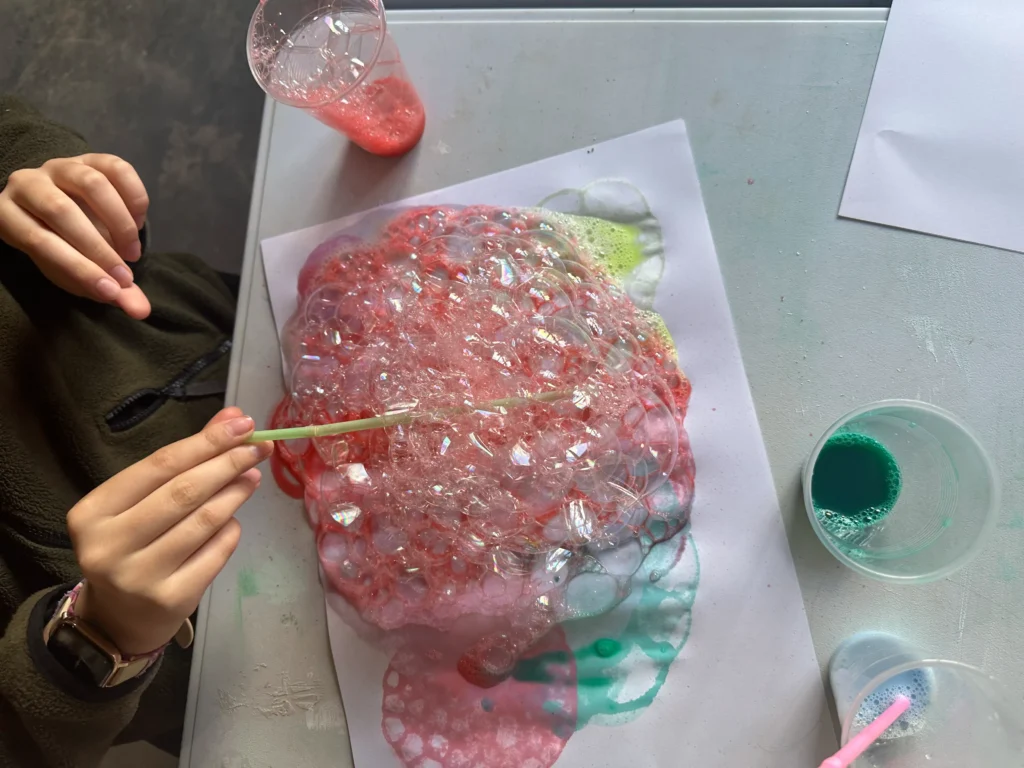
Dyscalculia is a specific learning difference that affects how the brain understands numbers and mathematical concepts. Children with dyscalculia may struggle to grasp quantities, recall number facts or work through calculations — not because they aren’t trying, but because numbers simply don’t click in the same way.
It affects around 3–6% of the population and is often under-recognised compared to other learning differences.
Maths anxiety often develops when children repeatedly struggle without understanding why, affecting basic arithmetic, problem solving and keeping up during timed lessons.
Schools can help through targeted interventions, visual tools and extra time — and Be Creative supports children through practical, real-world learning that builds number confidence through experience rather than repetitions.
Many children with dyscalculia work incredibly hard but still find maths elusive — this is not a reflection of effort or ability.
Dysgraphia affects a child’s ability to write clearly and efficiently. It can impact handwriting, spelling and the ability to organise thoughts on paper. Children with dysgraphia often know exactly what they want to say — getting it down in writing is where the difficulty lies. It frequently appears alongside dyslexia, dyspraxia or ADHD.
Dysgraphia can affect written assignments, note-taking, spelling and completing work within time limits — students can appear disengaged when the real barrier is the effort writing requires.
Schools can support through laptops, speech-to-text tools and reduced handwriting expectations, while Be Creative offers children alternative ways to express their ideas where written output is never the measure of success.
Children with dysgraphia can become deeply frustrated when their written work doesn’t reflect what they’re truly capable of.

Whether you are at the beginning of your diagnosis journey or looking for a more creative approach to support, we are here to walk with you.