Sensory-lead creative sessions
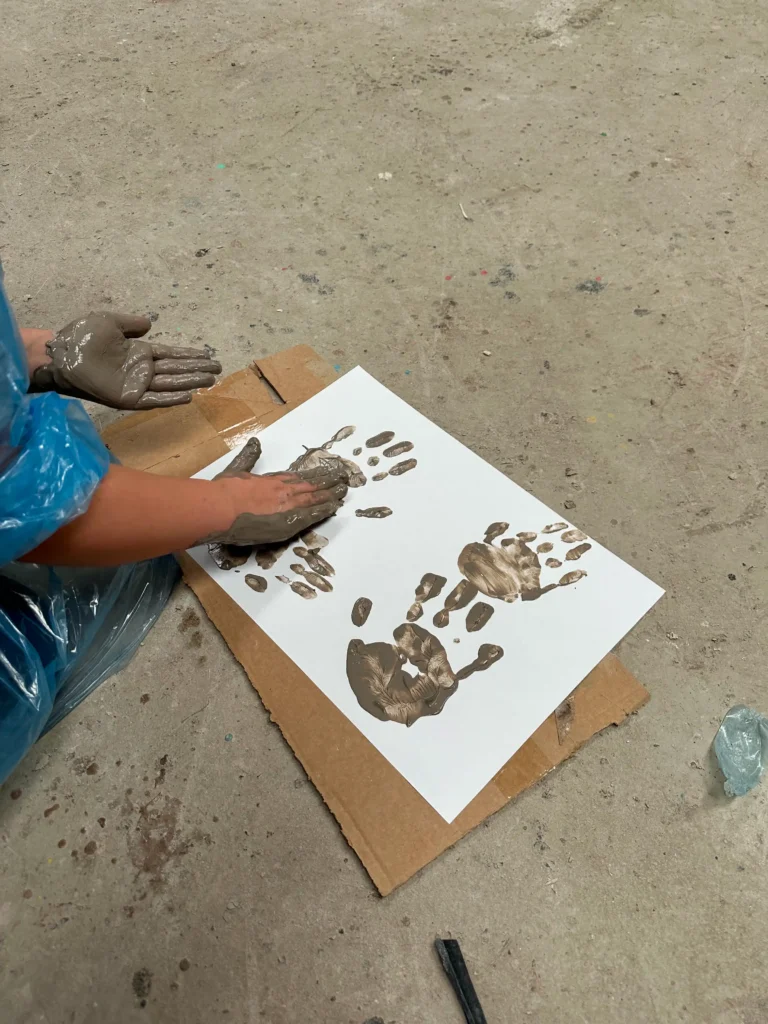
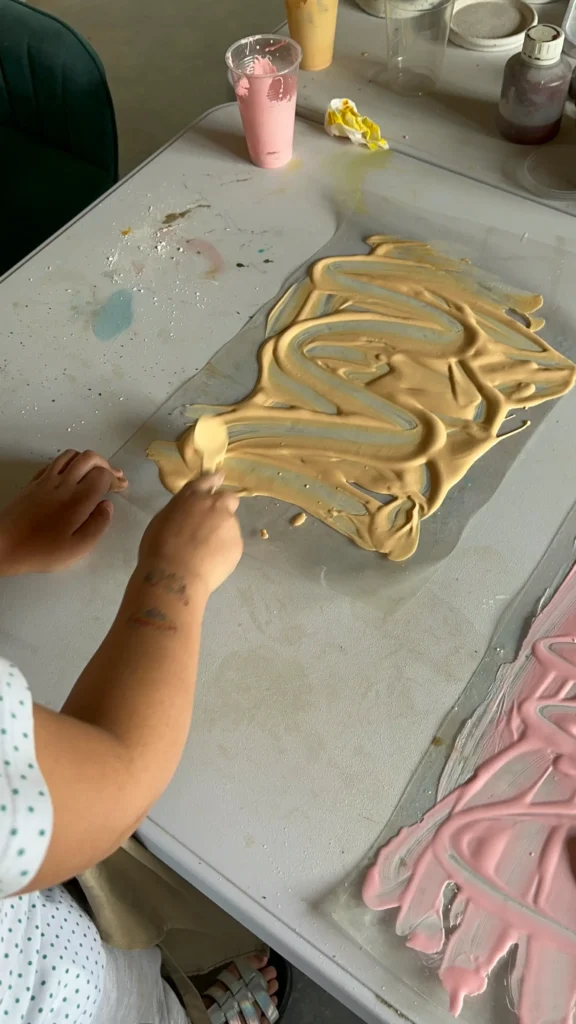
Hands-on exploration using natural materials to ground and calm the nervous system.

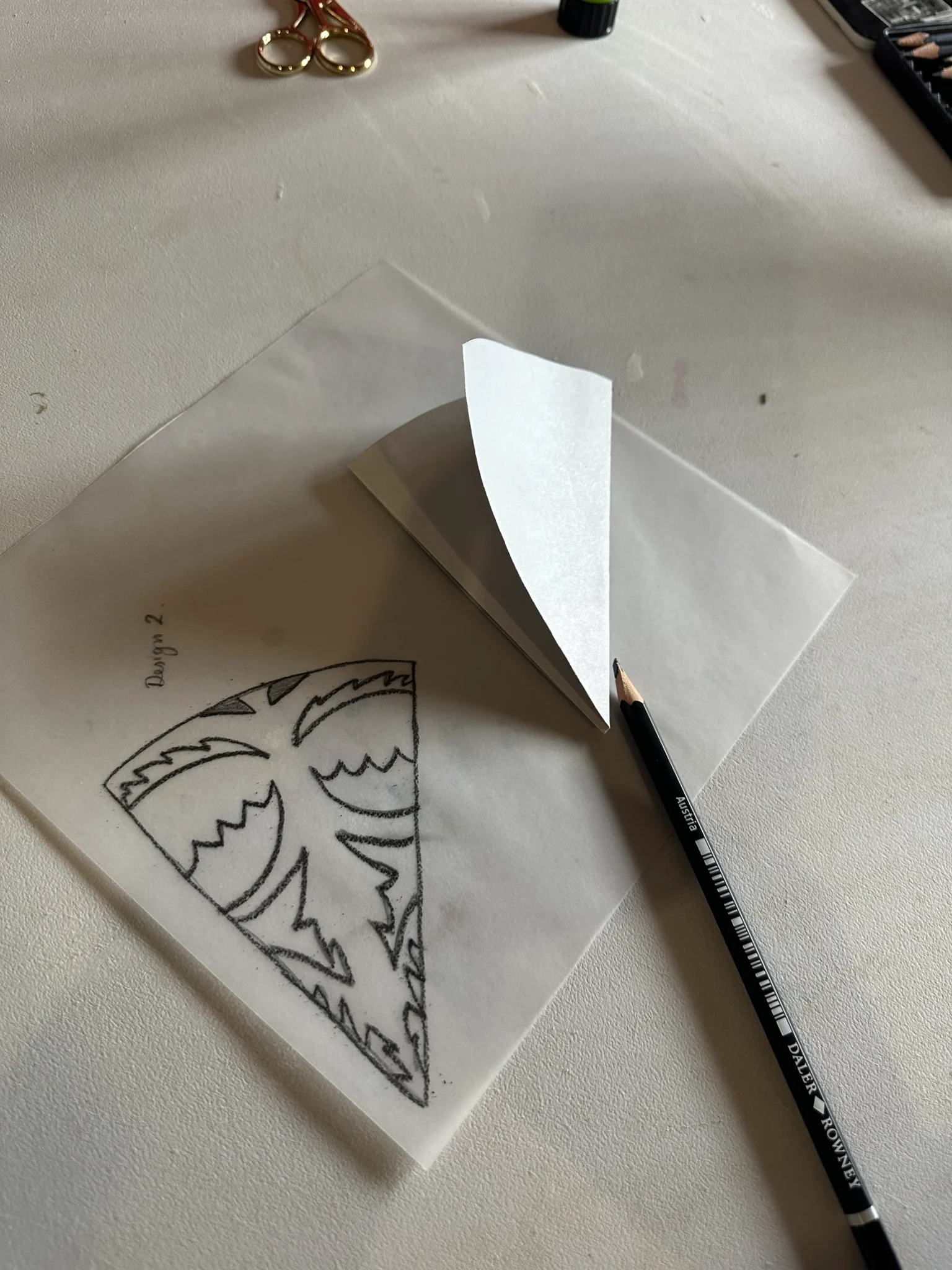
Every child learns differently. At Be Creative we support young people with a range of learning differences and SEND profiles, creating space for them to thrive in their own way.
Pathological Demand Avoidance (PDA) is a profile within the autism spectrum, driven by anxiety and a strong need to feel in control. For young people with a PDA profile, everyday demands — even simple or routine requests — can feel overwhelming when experienced as pressure.
Rather than being oppositional or defiant, these responses are often a way of managing high levels of anxiety. When expectations are reduced and a young person feels safe and in control, they are often far more able to engage, communicate and explore learning in their own way.
At Be Creative, this understanding shapes everything about how we work. By creating a low-pressure, creative environment, we allow young people to feel more in control, which helps them re-engage with learning in a way that feels safe and manageable.
Pathological demand avoidance is not defiance or laziness. It is an anxiety-driven need to maintain control and autonomy that can feel overwhelming when demands are placed on a person.
PDA is often misunderstood. It is not about a child choosing not to cooperate — it is about how their nervous system responds to pressure. Even well-intentioned instructions or expectations can trigger a stress response, leading to avoidance, withdrawal or heightened emotional reactions.
Understanding PDA means recognising the importance of flexibility, trust and reducing direct demands. When young people are given space, autonomy and the opportunity to engage on their own terms, we often see anxiety decrease and confidence begin to build.


Hands-on exploration using natural materials to ground and calm the nervous system.

Using the woodlands as a classroom for organic, curiosity-led discovery.

Compassionate guidance for parents navigating the education system and seeking the best for their child.

Whether you are at the beginning of your diagnosis journey or looking for a more creative approach to support, we are here to walk with you.