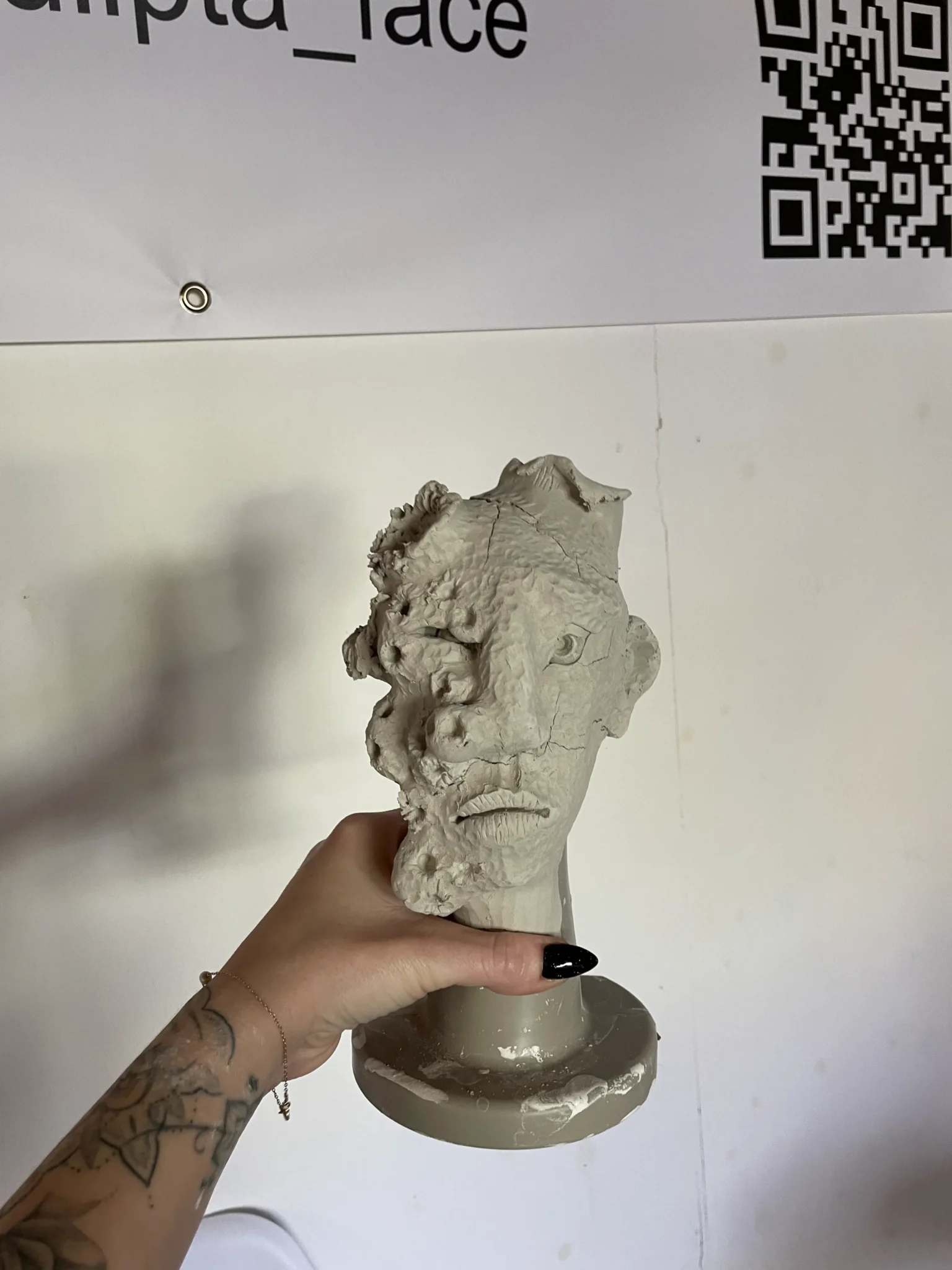
clay sculpture of a face created by students at be creative

ADHD Support for Children in Cornwall

ADHD is not a deficit of attention, but a different way of processing the world’s vibrant input. It affects roughly 1 in 20 children, appearing in varied presentations that require a gentle, nuanced understanding rather than a rigid set of rules.

varieties

Supporting every ADHD journey

ADHD in girls

Girls with ADHD often internalise their struggles, appearing quiet or compliant while privately battling concentration, anxiety and exhaustion. We focus on recognising masking behaviours and creating a safe space where the pressure to blend in can gently fall away.

ADHD in boys

Externalising energy can be misunderstood as disruption. Our approach helps boys channel their natural need for movement and tactile exploration into creative, meaningful learning experiences.

Late diagnosis

Understanding ADHD later in life can bring both relief and complexity. We offer reassuring guidance for families finding their way, turning past confusion into a newfound source of understanding.

painting of futuristic woman with vibrant colours
What is ADHD?

Boundless energy & deep focus

We view ADHD through a poetic lens—where hyperactivity is the spark
of boundless creative energy, and inattentiveness is simply a mind
captivated by the richness of its own interior landscape.

At BeCreative, we move away from clinical definitions toward a
celebration of these ‘vibrant’ minds, providing the space and pace they
naturally crave.

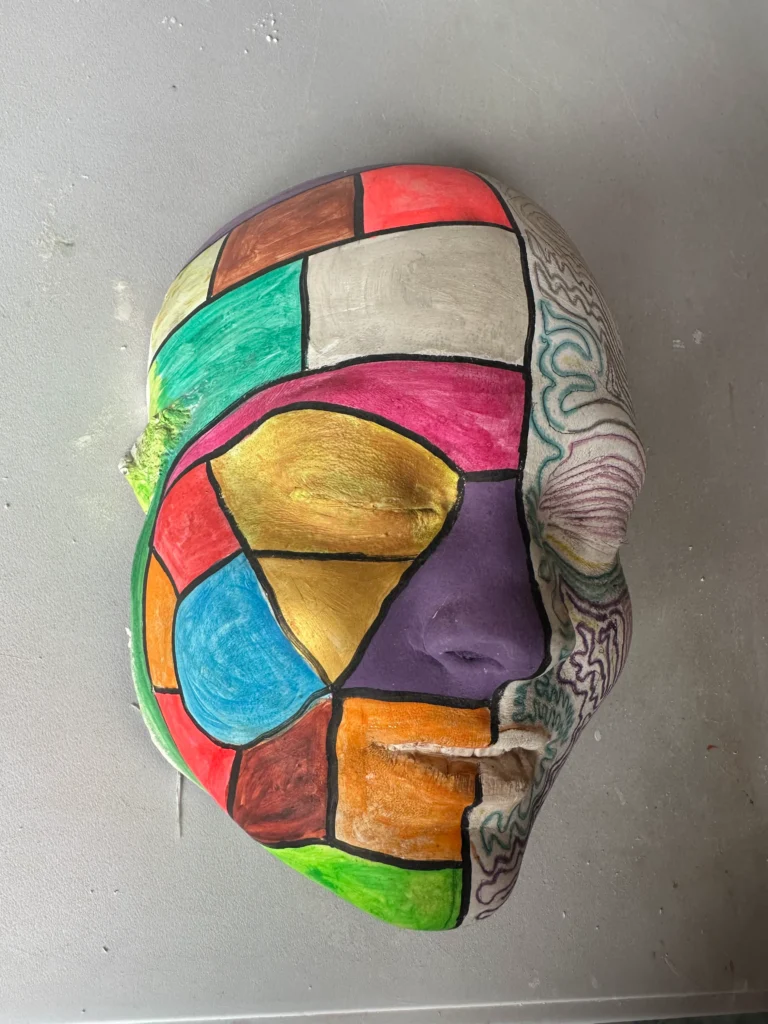
sculpture of face that has been painted in variable colours
Recognition

ADHD in girls

Girls with ADHD are frequently overlooked or misunderstood. While many people associate ADHD with visible hyperactivity, girls often present very differently — appearing quiet, compliant or even high-achieving in school, while privately struggling with concentration, organisation, emotional regulation and overwhelming mental fatigue.

Many girls develop strong masking behaviours from a young age, working extremely hard to appear as though they are coping.

Subtitle test

How ADHD can affect school for girls

Girls with ADHD often underperform or go undiagnosed because their difficulties are less visible. In school you may notice difficulty concentrating on tasks they find uninteresting, disorganisation, forgetting homework or instructions, and emotional dysregulation at the end of the school day.

Anxiety and exhaustion are common — the effort of masking throughout the day takes an enormous toll. Schools can help through SEN support, flexible learning approaches and emotional check-ins — and at Be Creative, we provide a space where girls can finally let their guard down.


Signs to look out for

  • Appears dreamy or distracted rather than disruptive
  • Difficulty organising schoolwork or belongings
  • Forgetting instructions or losing things frequently
  • Strong emotional reactions, especially after school
  • Anxiety or low self-esteem despite being capable
  • Exhaustion at the end of the school day
  • High-achieving but privately overwhelmed
  • Sensitivity to criticism or social situations

Girls with ADHD are often described as “just being sensitive” — when in reality they are working incredibly hard just to keep up.

Hand Holding Flower Becreative
our support

Gentle support for vibrant minds

Brain Icon

Sensory-lead creative sessions

Hands-on exploration using natural materials to ground and calm the nervous system.

Forest

Nature-based learning

Using the woodlands as a classroom for organic, curiosity-led discovery.

Family Restroom

Family advocacy

Compassionate guidance for parents navigating the education system and seeking the best for their child.

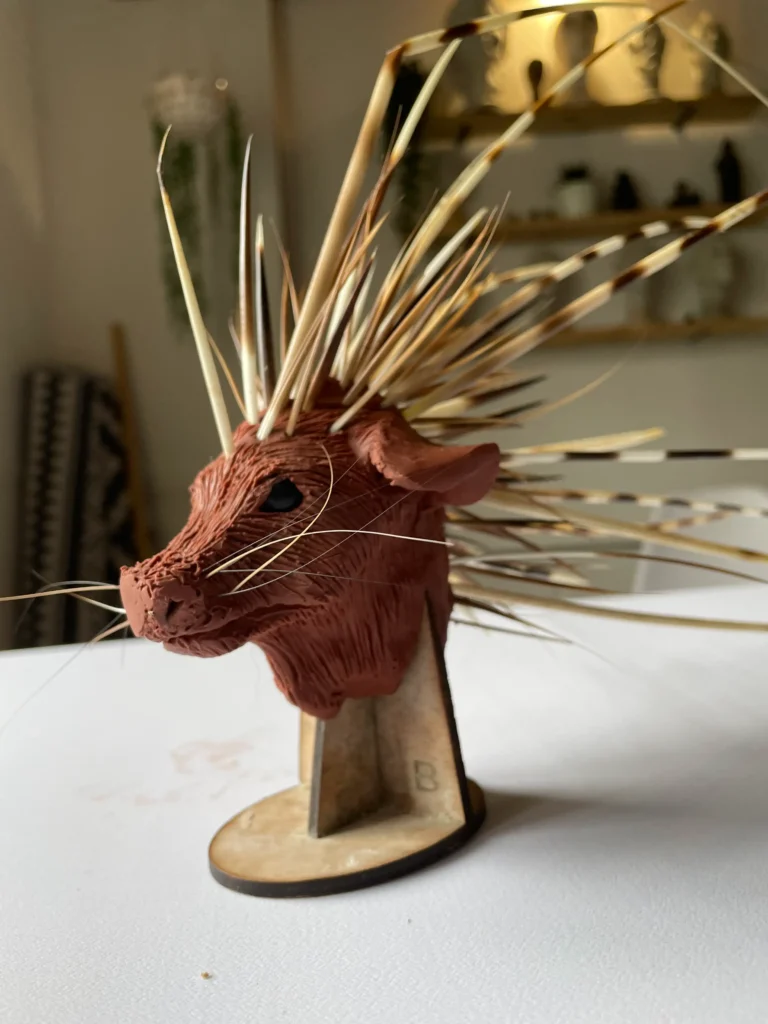
sculpture created by student at be creative
Recognition

ADHD in boys

Externalising energy is often misunderstood as disruption or lack of effort — when in reality it is frequently a sign of a brain that processes stimulation and focus differently. Many boys with ADHD experience high levels of energy, impulsivity and difficulty sitting still, which can make traditional school settings particularly challenging.

How ADHD can affect school for boys

In school, boys with ADHD may struggle to sit still during long periods of listening, follow rigid structures or complete written tasks without movement breaks. Frustration can build quickly when learning feels passive, and behaviour can sometimes be misread as defiance.

Schools can support through movement breaks, hands-on learning, structured flexibility and clear consistent expectations — and at Be Creative, we channel that energy into creative work where it becomes a genuine strength.

Signs to look out for

  • Difficulty sitting still or staying in one place
  • Impulsive responses or difficulty waiting
  • Easily distracted or jumping between tasks
  • Difficulty following multi-step instructions
  • Frustration that presents as behavioural challenges
  • High energy that needs a physical outlet
  • Strong focus on areas of genuine interest
  • Struggles with written work despite verbal ability

Many boys with ADHD are bright, creative and highly capable — they simply need a different environment to show it.

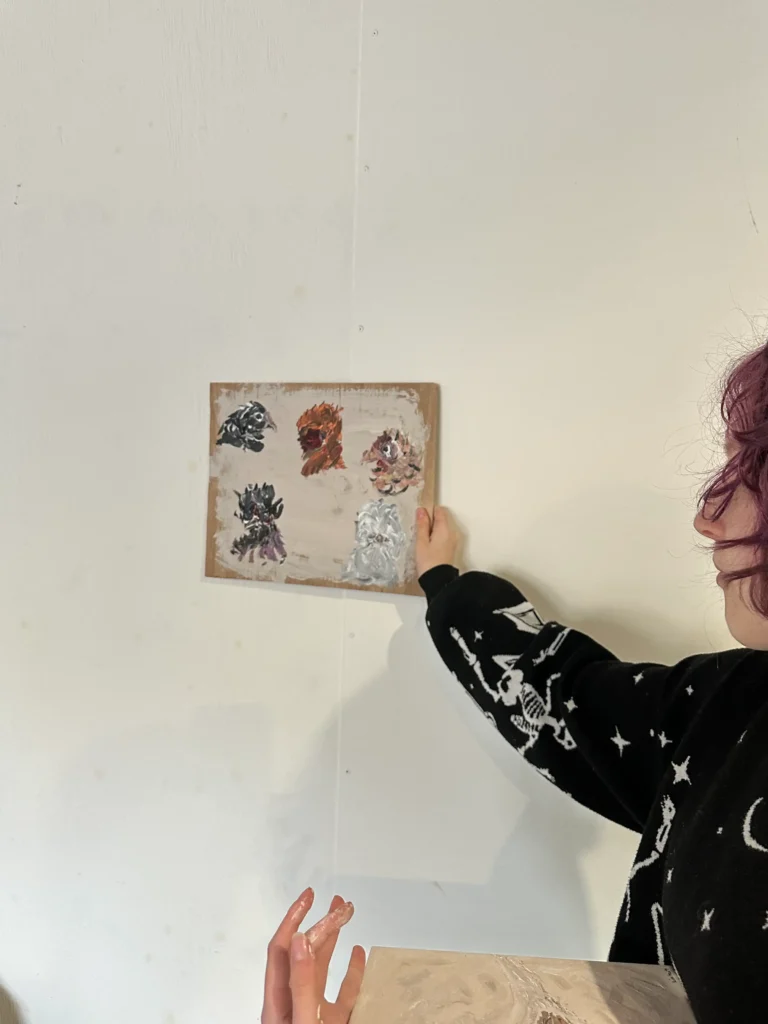
student holding up their work toward the wall to show the camera
Recognition

Late diagnosis

For many young people and families, understanding ADHD comes later in the journey. Some students reach their teenage years — or even adulthood — before ADHD is recognised. By this point they may have spent years feeling confused about why certain aspects of school or everyday life felt so much harder than they appeared for others.

Late diagnosis can bring a mixture of emotions. For many families it provides relief and clarity — helping them understand experiences that previously felt frustrating or unexplained.

How ADHD can affect school

Young people with undiagnosed ADHD often develop coping strategies that mask their difficulties for years. In school this can look like inconsistent performance, difficulty with deadlines, poor organisation or emotional dysregulation — often dismissed as laziness or attitude. The cumulative effect of years without the right support can significantly impact confidence and wellbeing.

Schools and families can help by seeking assessment, putting SEN support in place and reframing past difficulties with new understanding — and at Be Creative, we help young people rediscover what they are capable of.

Signs to look out for

  • A history of being “bright but underachieving”
  • Inconsistent performance across subjects
  • Difficulty with deadlines and long-term planning
  • Emotional dysregulation or low frustration tolerance
  • Anxiety or low self-esteem built up over time
  • Feeling different or “not good enough” without understanding why
  • Relief when ADHD is finally named and explained

A late diagnosis is not a setback — for many young people it is the beginning of finally understanding themselves.

Blurred leaf in a calming scenario

You don't have to navigate this alone

Whether you are at the beginning of your diagnosis journey or looking for a more creative approach to support, we are here to walk with you.