Sensory differences
Many autistic young people experience the world with heightened sensitivity — to sound, light, texture or movement. We create calm, low-pressure environments where sensory needs are understood and respected, not managed away.

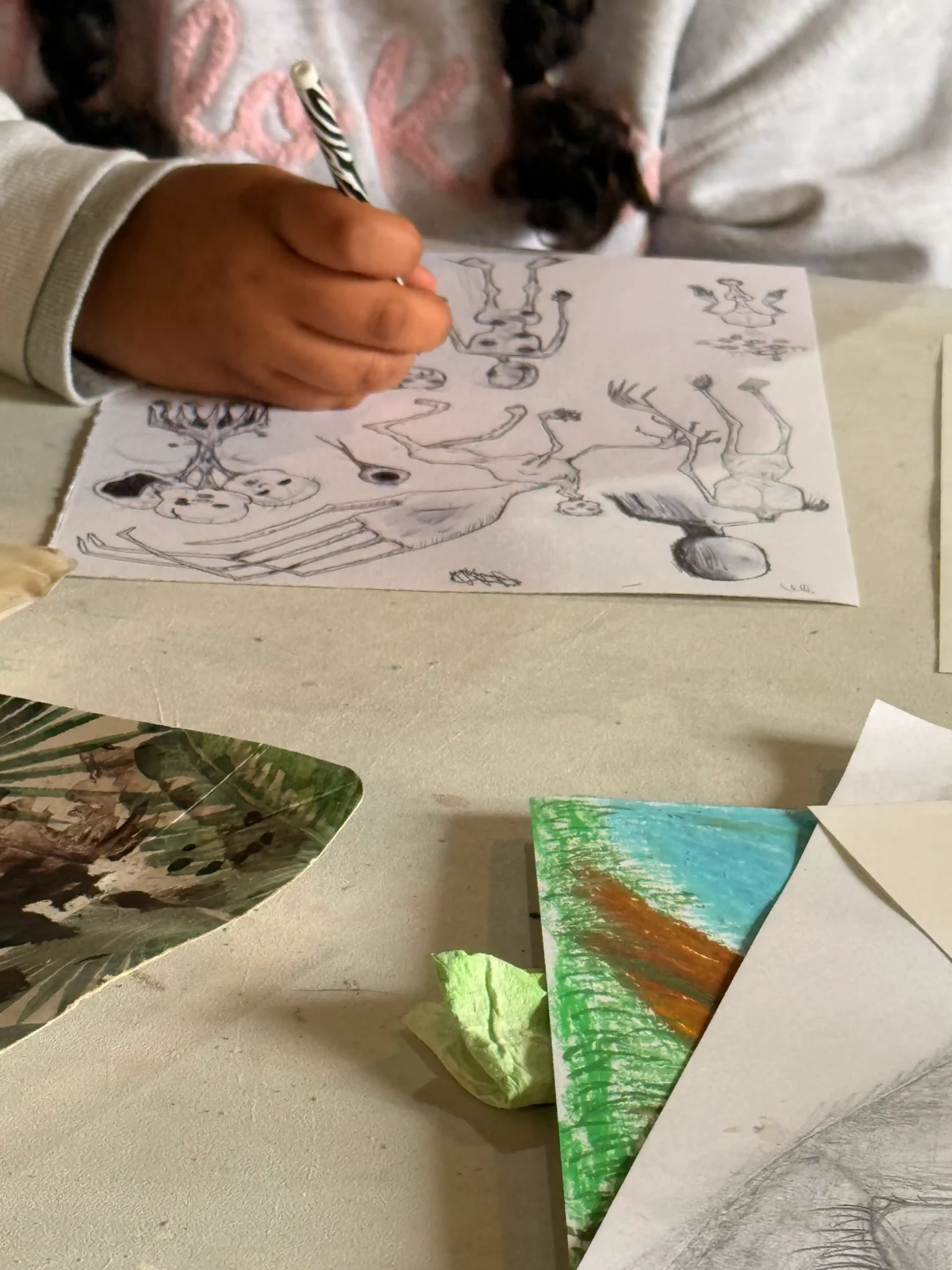
A calm, creative environment where young people can rebuild confidence and rediscover learning in their own way
Many autistic young people experience the world with heightened sensitivity — to sound, light, texture or movement. We create calm, low-pressure environments where sensory needs are understood and respected, not managed away.
Social expectations can feel exhausting and confusing for autistic young people. We focus on connection over performance, giving students the space to engage on their own terms without the pressure to mask or conform.
Many autistic young people have extraordinary capacity for deep focus and original thinking. At Be Creative, we treat these interests as strengths — using them as the foundation for learning rather than a distraction from it.
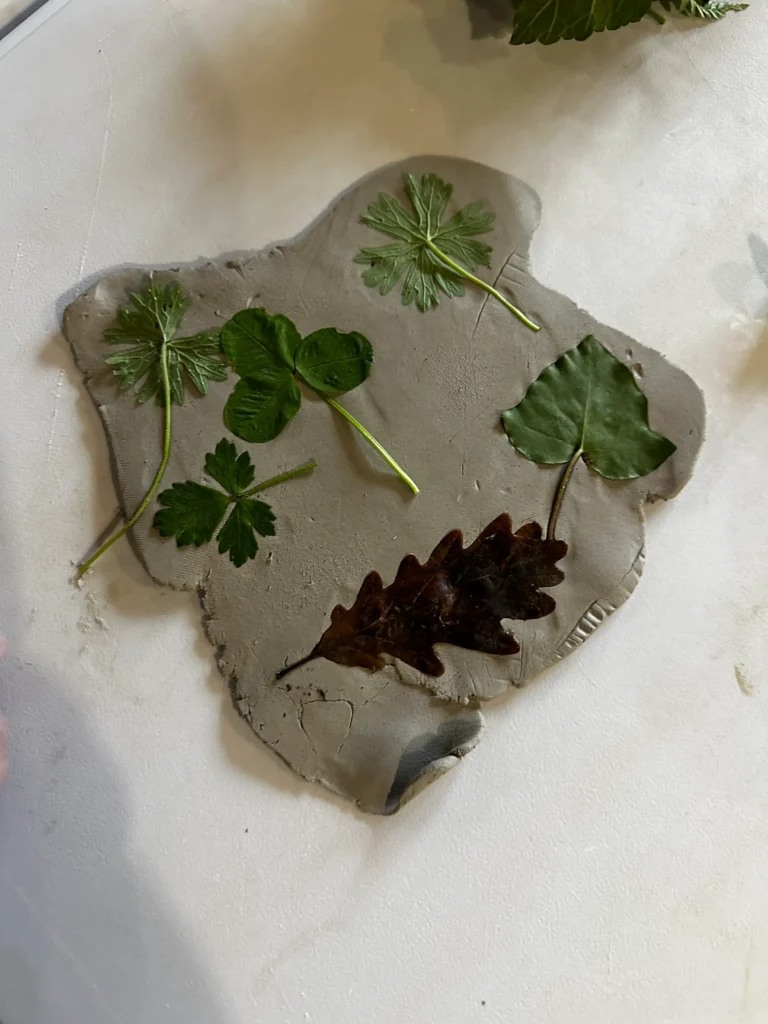
Autism presents differently in every young person. Some children experience heightened sensory sensitivities, find social communication more difficult, or rely on predictable routines to feel safe and regulated. Others may appear very capable academically but struggle with the demands of busy school environments, social expectations or constant changes in routine.
Many autistic young people have deep interests and strengths that allow them to focus intensely on topics they care about. When supported in the right environment, these interests can become powerful pathways for learning and creativity.
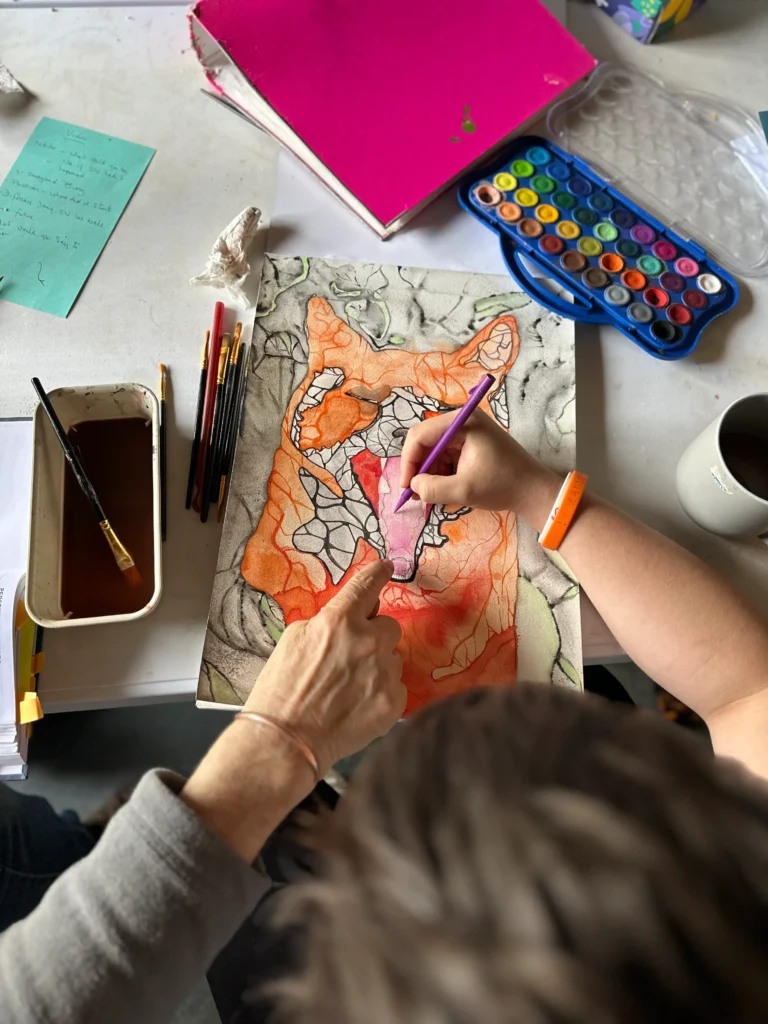
Autism often becomes more noticeable as children move through school and expectations increase. In early childhood, some signs may include differences in communication, sensory sensitivities, strong interests or difficulty with unexpected changes.
As social and academic demands grow, some young people begin to experience greater stress. The effort required to keep up with the pace, noise, social complexity and structure of school can become overwhelming — and for some students this may gradually lead to anxiety, emotional exhaustion or withdrawal from school environments.
Many autistic students are highly capable learners, but they learn best in environments that allow for flexibility, focus and reduced sensory pressure. Traditional classrooms can make learning harder because of pace, noise levels or the expectation to switch quickly between tasks.
When young people are able to work at their own pace, focus on areas of interest and learn in calmer environments, their confidence and engagement often grow significantly. At Be Creative, we build our sessions around exactly this — a flexible, low-pressure environment where autistic young people can learn in ways that genuinely work for them.
Over time these experiences can build up and leave a young person feeling constantly on edge or exhausted.

There are many outdated stereotypes about autism that can make it harder for young people to be understood. Some autistic children are very quiet, while others are highly expressive. Some may mask their difficulties during the school day and release their emotions later at home.
Autism is not a lack of ability or intelligence. Many autistic young people have exceptional strengths in creativity, problem-solving, deep focus and original thinking. Understanding these differences is key to helping young people thrive — and it is the foundation of everything we do at Be Creative.
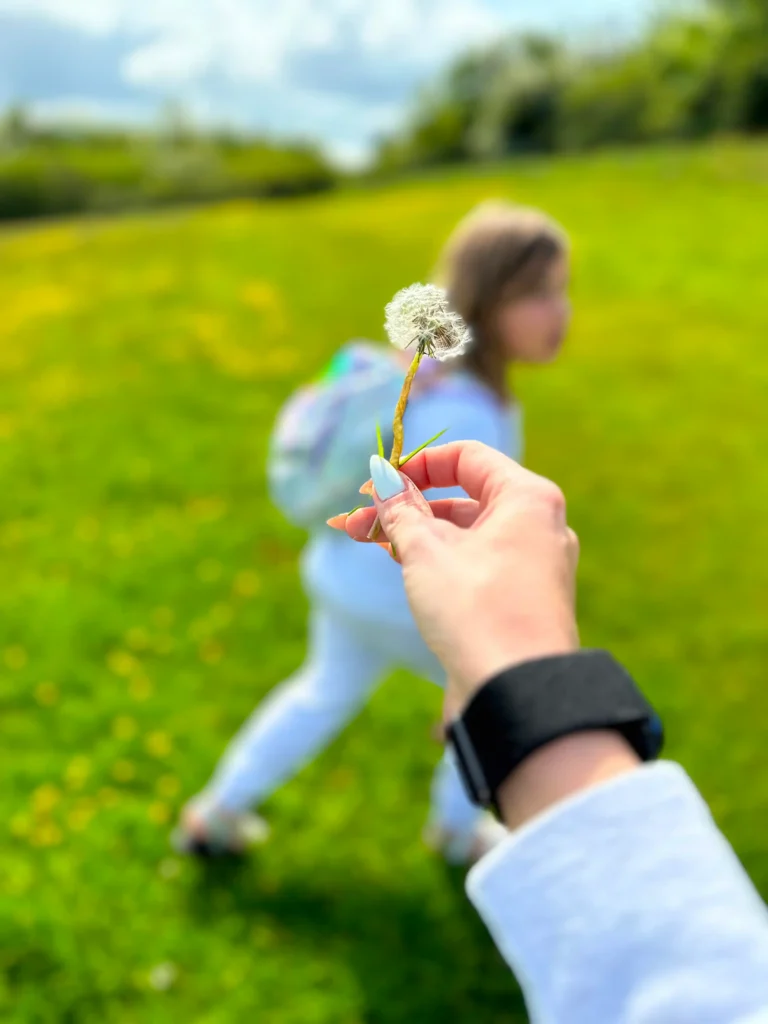

Hands-on exploration using natural materials to ground and calm the nervous system.

Using the woodlands as a classroom for organic, curiosity-led discovery.

Compassionate guidance for parents navigating the education system and seeking the best for their child.

Whether you are at the beginning of your diagnosis journey or looking for a more creative approach to support, we are here to walk with you.